
The Galapagos Islands & El Niño
Most people have heard about the El Niño weather phenomenon, but few really know much about it or how it impacts different countries across the globe.
Ecuador & the Galapagos Islands can be impacted by El Niño, but this is always very hard to predict in advance.
So, what´s a traveler to do? Should El Niño be a concern? How can you plan your travel to the Galapagos Islands around a possible El Niño event? Do Galapagos cruises get canceled during El Niño?
Keep reading for everything you need to know about El Niño and the Galapagos Islands, including a look into the past to help us understand the future.


SECURE YOUR GALAPAGOS TRAVEL
Get a FREE personalised quote todayAbout El Niño
What is El Niño?
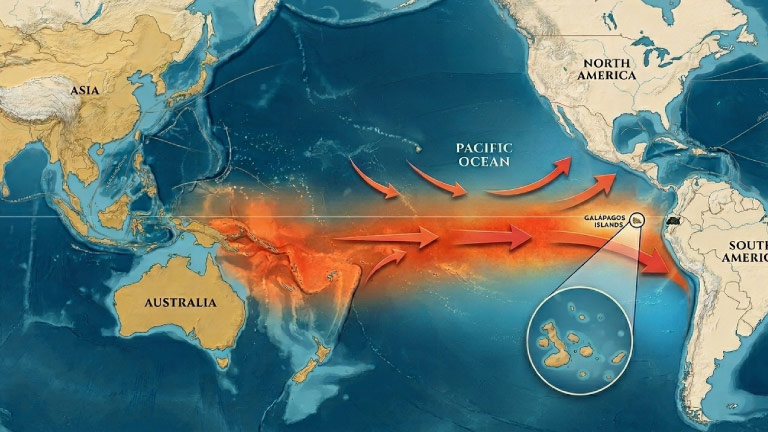
El Niño is a natural climate event that can significantly alter global weather patterns. El Niño weakens trade winds, causing warmer, drier conditions in Australia, Indonesia, and parts of Southeast Asia, while bringing increased rainfall and flooding to the southern U.S., Peru, & Ecuador.
It´s not only the weather that is affected, but also ocean temperatures. The Pacific Ocean off the coast of Ecuador, for example, can warm up to 0.5 to 2 degrees Celsius more than usual during El Niño.
Why is it called El Niño?
The full name El Niño de Navidad means “little boy of Christmas” in English.
This term was first used by South American fishermen because the weather phenomenon typically peaks around Christmas time.
Don’t get confused with La Niña, “little girl”. La Niña is the opposite weather effect to El Niño, where stronger trade winds cause colder sea temperatures in the eastern Pacific, happening every 3 to 7 years.
When does El Niño occur?
El Niño events are hard to predict, but on average, they happen every two to seven years.
El Niño usually starts to build up in the spring-summer months, peaking in the winter (November–January).
Will El Niño happen in 2025/6?
According to NOAA, there is currently a 61% chance of an El Niño event developing in 2026, with a chance that it develops into a strong El Niño.
We recommend monitoring the NOAA site for up-to-date information.


GET FREE ADVICE
From a Galapagos destination expert todayEl Niño at the Galapagos Islands
Will El Niño impact the Galapagos Islands?
It depends.
El Niño is always extremely difficult to predict, as the weather system itself is irregular. In general, we expect a global El Niño cycle every 2 to 7 years, but timing, strength, and effect are almost impossible to forecast accurately in advance.
Taking a look back in history, there have been 8-10 El Niño events over the past 30 years. Yet, only one of those, a strong El Niño in 1997-98, had any significant effect at the Galapagos Islands.
Of the other events during that time frame, El Niño was considered regular or weak in strength and had low or no impact on life at the Galapagos Islands.
How do the Galapagos Islands change during El Niño?
El Niño usually brings warmer sea temperatures and more frequent rainfall.
On land, the ecosystem thrives with the extra rain, creating lush green landscapes and giving a natural helping hand to breeding Galapagos land animals such as Giant Tortoises and Land Iguanas.
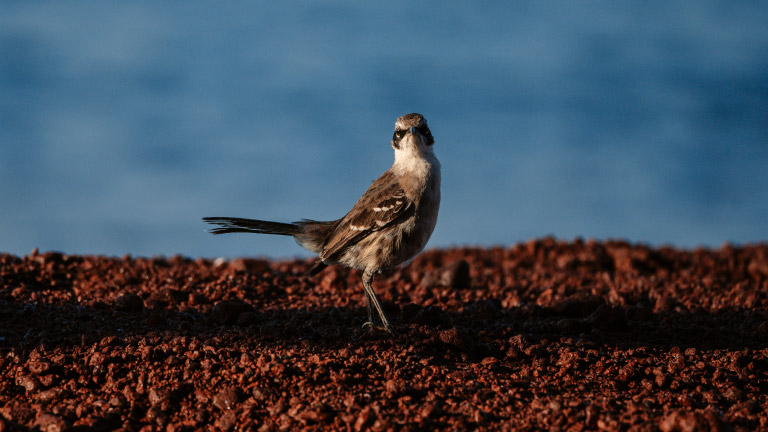
It´s also net positive for land birds, including Darwin Finches and Galapagos Mockingbirds.
In the ocean, the effect of El Niño is rather different. El Niño reduces the upwelling of cold, nutrient-rich water from the depths, which means fewer phytoplankton at the surface. This affects fish that eat phytoplankton and, in turn, affects everything that eats fish.
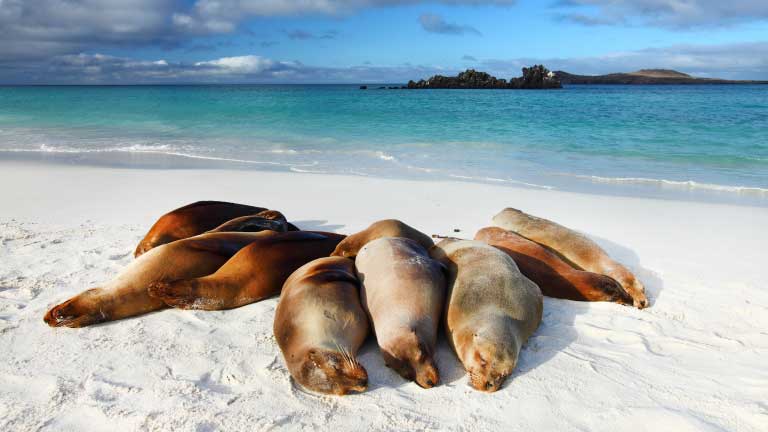
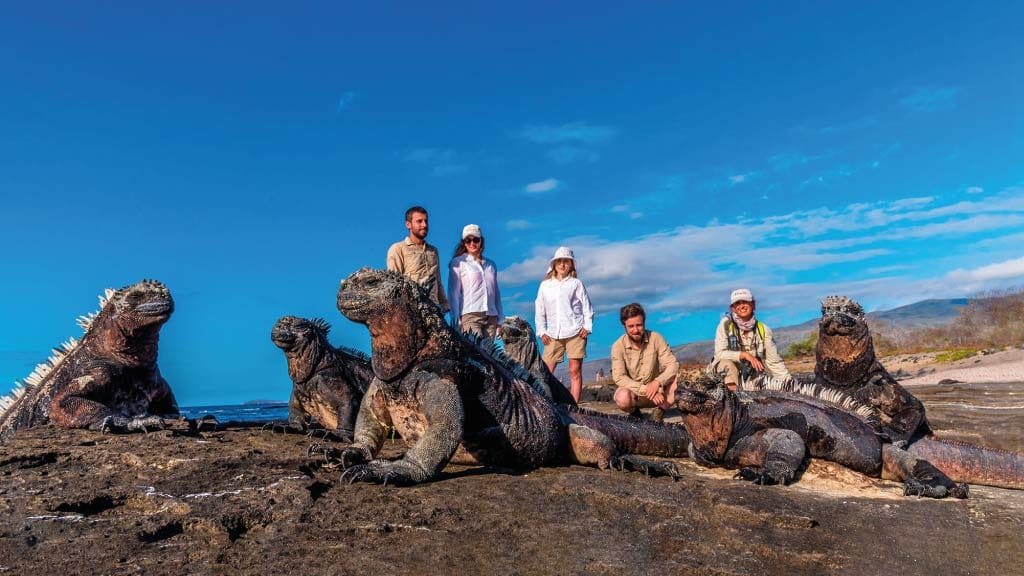
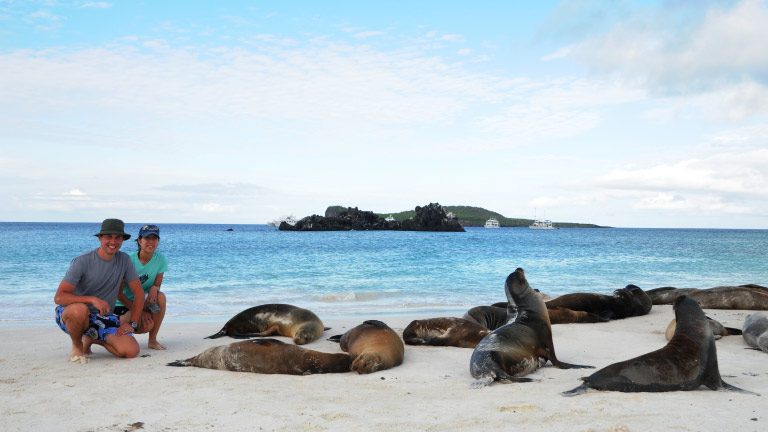
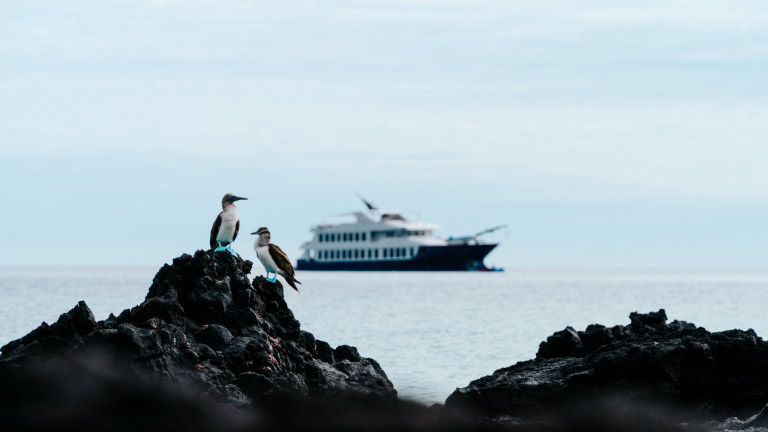
So, El Niño can be a tough time for Galapagos Marine mammals & reptiles, including Sea Lions, Fur Seals, Marine Iguanas, and Whales. Galapagos marine birds also suffer, from blue-footed boobies to Frigate birds & Albatross.
Galapagos marine species may skip mating season altogether during a strong El Niño, as there´s not enough food to bring up their young. It becomes a fight for survival where only the fittest and smartest make it.
In an extreme El Niño year, last seen in 1997–98, marine bird and animal populations were badly hit by a lack of food in the ocean.
It was also the only time that there were temporary Galapagos rivers flowing from the highlands to the sea, which is a very unique moment to experience.
In all other recent Galapagos El Niño events, fortunately, little to no impact was observed in marine species.
What does this mean for Galapagos visitors?
A question we’re sometimes asked is: Should we delay, postpone, or cancel our Galapagos trip due to El Niño?
Of course, it´s tough to give a definitive answer due to the unpredictable nature of El Niño.
The best way to look at it is with the correct perspective. Over the past 3 decades, all but one El Niño event at the Galapagos has not impacted life at the islands or tourism in any significant way.
It’s almost impossible to plan a Galapagos trip around a possible future El Niño event. We just don´t know if El Niño will happen in any given year, how strong it might be, or how it might impact the sea temperature at the islands.
Bottom line, the Galapagos are a bucket-list travel destination, and will always be a memorable experience, whatever the conditions. However, the behavior of the climate and wildlife is always unpredictable. The best approach is therefore to embrace your vacation experience and accept the natural ebb and flow of life at the Galapagos, as it always has been throughout time.
Sometime in the future, there will, of course, be another strong El Niño event waiting to happen, but it’s impossible to accurately predict when. Even weather experts around the world struggle to understand or predict this weather phenomenon.
Do Galapagos cruises & tours get cancelled during El Niño?
Even in a strong El Niño year, Galapagos cruises and land tours will operate normally, and hundreds of thousands of visitors will enjoy an awesome vacation here.
It´s just business as usual on the islands.
While land birds & animals will be thriving, marine creatures battle to get by. It´s all part of Darwin´s Natural Selection that spurs the next wave of evolution at this famous archipelago.
Book With The #1 Trusted
Galapagos Travel Agency
For more information about Galapagos Land Tours and Galapagos cruises, Contact a member of our team or call our toll-free number.
In Conclusion, the El Niño weather phenomenon can impact the Galapagos Islands. The big question is when, and by how much.
For context, only once over the past 30 years has a strong El Niño hit the Galapagos Islands hard, and even then, tourists continued to visit, and cruises operated normally.
Ultimately, it´s extremely difficult to forecast El Niño accurately, and therefore impossible to plan a Galapagos trip around a possible El Niño event.
The best approach is to be open-minded and embrace whatever Galapagos experience awaits. Climate and wildlife behavior will always be unpredictable, but 99.9% of Galapagos visitors return home with a huge smile on their faces.
